

In a recent article published in Shape Memory and Superelasticity, a novel rotary actuator using shape memory alloy (SMA) technology is presented, developed through a collaboration between Kinitics Automation Limited (Kinitics) and The Boeing Company (Boeing). The actuator is designed for a ram air door application, but has been demonstrated to be scalable across a broad spectrum of aerospace use cases.
Background & Motivation
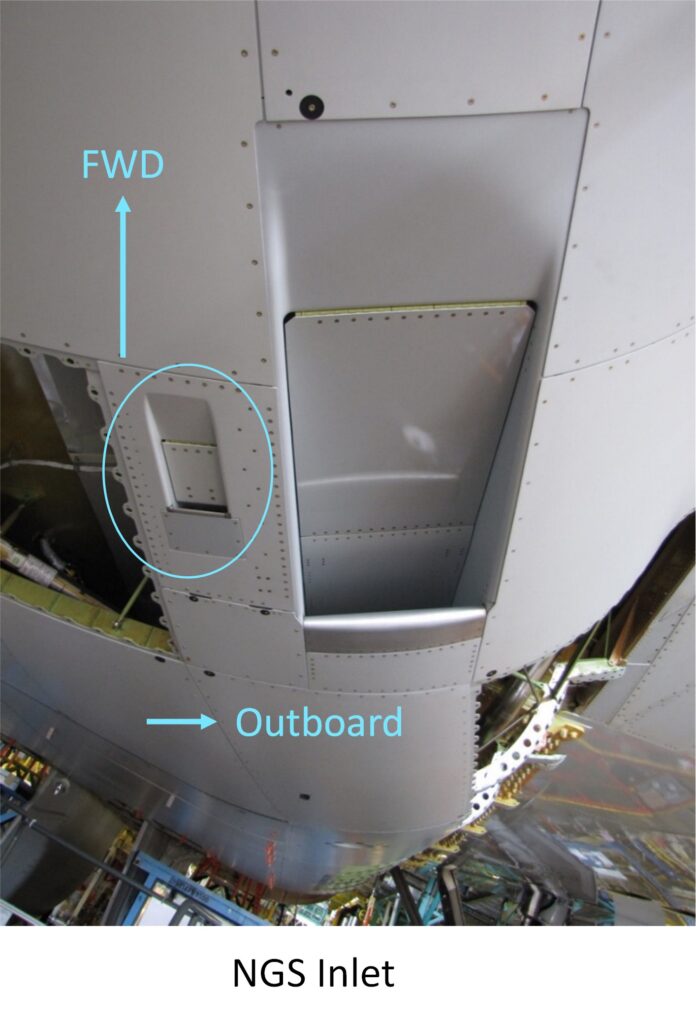
Aircraft systems continue to push for reduced weight, compactness, and simplified architectures. Traditional electromechanical or hydraulic actuators often require linkages, gearing, and structural integration that add mass, complexity, and failure points. SMA materials—particularly NiTi-based alloys—offer high work density, compact form factors, and the possibility of embedding actuation close to hinge lines without bulky mechanical transmissions.
In aerospace, ram air doors are critical for incoming airflow management, cooling, or ventilation systems. The Kinitics–Boeing team set out to build a line replaceable unit (LRU) rotary actuator that meets aerospace reliability, torque, and integration demands while harnessing the advantages of SMA technology.
Design & Collaboration
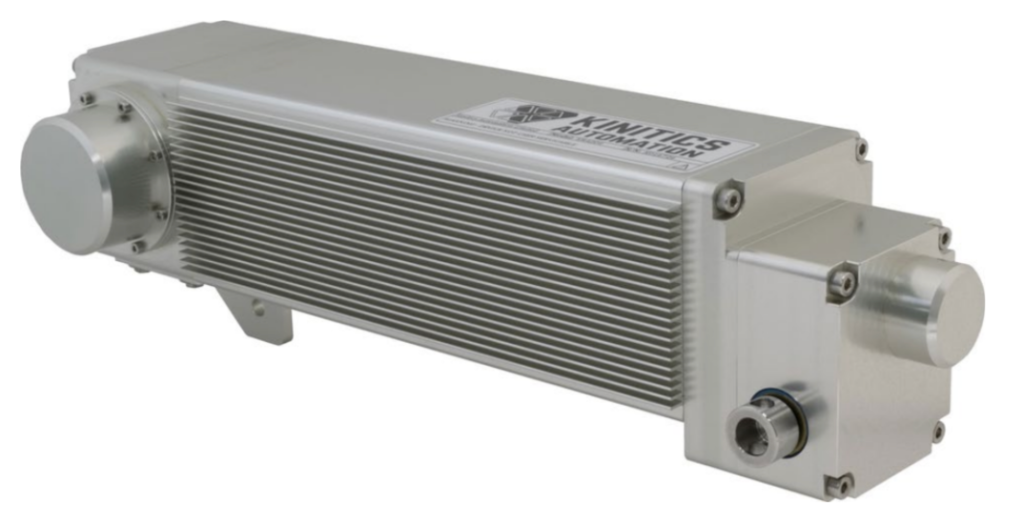
As part of the collaboration, Kinitics developed a SMA-based high torque rotary actuator that can be scaled to different size and performance envelopes. As reported, two different SMA elements were incorporated in the same actuator architecture and tested under multiple loading conditions.
One of the clever aspects of the design is that the actuator itself doubles as an in situ SMA element tester. Because the actuator structure can handle the mechanical interface, reuse of the mechanism allows characterization of multiple SMA elements under realistic boundary conditions, reducing interface uncertainty and redesign iterations.
Performance, Scalability & Implications
While the paper focuses on the ram air door scale, it also emphasizes how the architecture can be scaled upward (or downward) for other aerospace systems—flaps, doors, morphing structures, adaptive surfaces, and more. The SMA-based rotary actuator holds promise in enabling simpler, lighter actuation with fewer mechanical intermediate steps.
The successful demonstration of this actuator shows that, through tight collaboration between a specialist SME (Kinitics) and a major aerospace OEM (Boeing), novel smart-material actuation technologies can mature toward field-applicable form factors. The dual role of actuator and testbed, the scalable architecture, and the careful mapping of torque to shear-strain behavior mark important steps forward.
Read the full article:

This work is published in the:
Shape Memory and Superelasticity journal (Springer)
Under the title:
“Application of Shape Memory Alloys Inside a Ram Air Door Rotary Actuator”